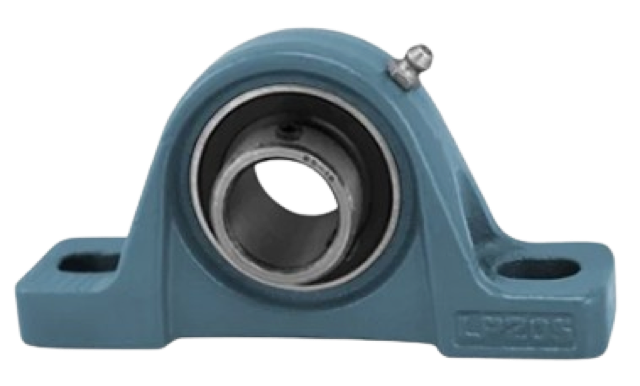
Why can adding more grease make a bearing run hotter?

LILY Bearing |

Mounted Bearings supplier category illustrationLILY BearingMounted BearingsCompare models and specificationsBrowse this category Advertisement · Category illustration

Best answer

Editor's pick

More lubricant does not always improve the operating condition

Grease quantity is part of the lubrication arrangement, not a goal to maximise.

Excess material can increase stirring resistance and affect temperature, which is one reason manufacturer guidance relates fill to bearing and housing conditions. A bearing that becomes hotter after grease is added should therefore not automatically receive still more grease. At the same time, the timing alone does not prove overgreasing: the lubricant identity, operating load, cooling conditions or other changes may also be relevant. Treat the temperature change as evidence to investigate using the specified lubrication method and the machine's actual operating record.
Other answers (1)

Compare the conditions before and after the intervention

Record the grease product, amount added, delivery method, time, shaft speed, load and temperature measurement location.

Include whether the observed temperature rise was brief or persisted under comparable conditions. If the quantity is unknown because the job was recorded only as “several strokes,” preserve that uncertainty instead of converting it to an invented mass. Check the exact manufacturer's fill, replenishment and purge instructions before changing the practice. A before-and-after record helps distinguish competing explanations and supports a controlled correction, while avoiding the unsupported conclusion that every post-greasing temperature rise has the same cause or requires the same response.