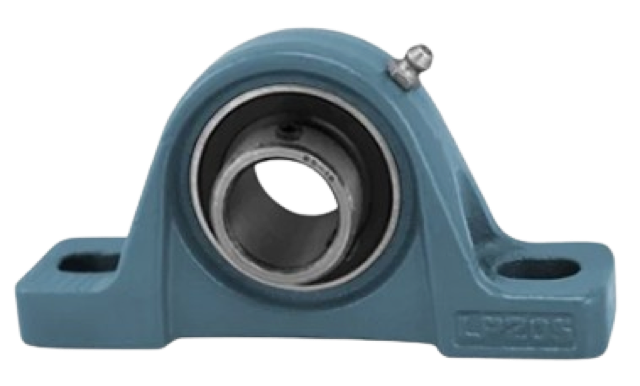
What should be investigated when water is found in bearing lubricant?

LILY Bearing |

Mounted Bearings supplier category illustrationLILY BearingMounted BearingsCompare models and specificationsBrowse this category Advertisement · Category illustration

Best answer

Editor's pick

Separate the detected contaminant from its entry route

Water found in lubricant is evidence of a contamination condition, but it does not identify how that water entered the assembly.

Possible routes to investigate include the operating environment, sealing interfaces, condensation conditions and lubricant storage or handling. Bearing manufacturers connect moisture contamination with damage and include sealing and maintenance among the relevant controls. The investigation should therefore consider the complete path into the bearing or lubrication system. Replacing the grease or an obvious seal may be part of a correction, but it does not by itself establish which entry mechanism caused the original contamination.
Other answers (1)

Build a route-and-time comparison

Record where the water evidence was found, how it was identified, when the sample was taken and what happened before the observation.

Compare washdown events, shutdown periods, temperature changes, seal work and lubricant transfers. Preserve samples and photographs under the applicable examination procedure before cleaning removes useful evidence. If only one sample is available, state its location and limitations rather than describing contamination throughout the whole system as proven. The resulting timeline can guide targeted inspection of the suspected routes and support a verification plan after correction. It avoids turning the presence of water into an unsupported diagnosis of one particular failed component.